
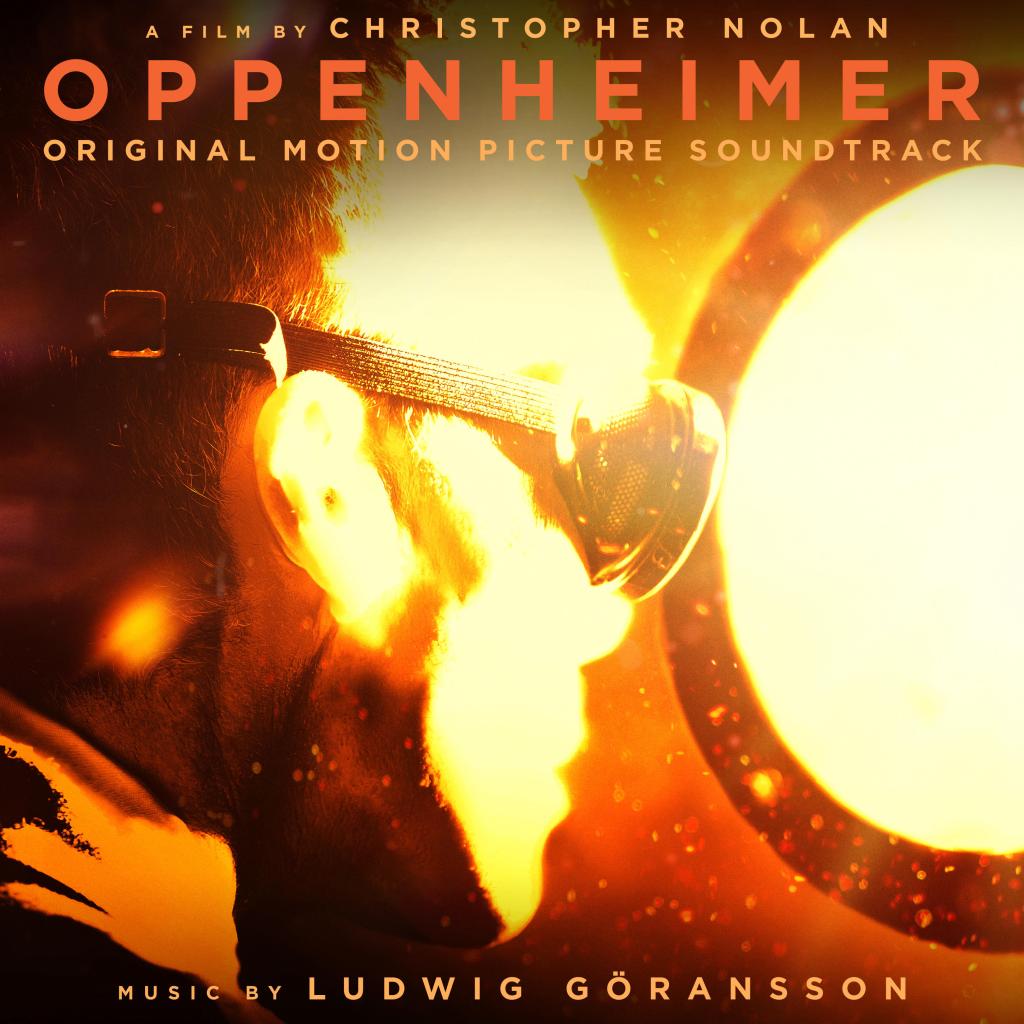
Ludwig Göransson’s Oppenheimer features a violin as its stylistic centrepiece, and the way this is used to both tonally represent the titular character as well as emotionally bolster the score’s rather enjoyable main themes makes this soundtrack well worth a listen. The themes could have done with a bit more album time though.
The main theme for Ludwig Göransson’s Oppenheimer score comes in two parts; the first is made up of two notes, heard first on a quietly downtrodden violin – incidentally the score’s instrumental centrepiece – in opening track “Fission”. Despite its rather moody first appearance however it plays somewhat more optimistically through much of the score, perhaps to tonally represent the success and achievements of Robert J. Oppenheimer as he progresses with developing the world’s first atomic bomb in the film. The second part of the main theme is then a six-note sequence that appears briefly in the background of the aforementioned track, before then playing centre stage throughout subsequent and standout cue “Can You Hear The Music”; it’s a more heartfelt, intimate and solemn motif likely for Oppenheimer himself, and the way the theme twists and turns emotionally in this elegant two minute track as the violins get louder and faster, combined with the two-note motif from earlier reprising for several increasingly bolder and grandiose appearances on emphatic electronics, quickly gives rise to a deeply rich musical atmosphere here that’s very enjoyable indeed. There’s equal parts hope and optimism as there is worry and tension, and that tonal combination playing on the unusual but surprisingly effective violin/electronic instrumental mix makes Göransson’s soundtrack introduction to Oppenheimer here a pretty unique and intriguing one too. It certainly catches your ear.
So a rather interesting start for the score, and that’s coming from someone who did not think highly at all of Göransson’s work for Christopher Nolan’s last film TENET. “A Lowly Shoe Salesman” then opens with slow, gentle strings and hopeful piano notes, which continue all across the three minute cue. “Quantum Mechanics” then reprises the six note side of the main Oppenheimer theme on the same heartfelt violin as in “Can You Hear The Music”, though this time in a slightly slower manner with quiet piano notes and ethereal vocals now occupying the background. The two-note side then makes a couple of brief electronics-based reprisals before the track draws to a gentle close. A new theme is then introduced in “Meeting Kitty”; a quieter, more pensive piano-based motif for the titular Kitty Oppenheimer. This is naturally quite a romantic piece of music overall, with Kitty’s theme getting quite an extensive debut as the track comes in at over five minutes long. The tone then turns almost malevolent in the subsequent “Manhattan Project”, as coldy imposing electronics enter the fray as if to kick off a tense action setpiece, but the pace instead stays slow and moody with worrisome piano notes joining the music in the back half of the track. The two-note side of the main theme then reprises in “American Prometheus”, on solemn violin notes at first before then moving over to building electronics that rise slowly in intensity.
Strings-based tension is the tonal focus of “Fusion”, with a worrisome pace set right off the bat as the four minute track begins. The strings then build in both volume and intensity over the course of the cue, with frenetic bursts of brass then bringing the music to a dramatic close. A rather on-edge variation on the two-note side of the main theme plays in “Colonel Pash”, with additional, more sorrowful strings and eerily ambient electonics also joining the fray in the last few minutes of the track. The six-note side of the main theme then ominously reprises in the subsequent “Theorists” alongside tense electronics, with all the aforementioned instrumentation building to a particularly emphatic finishing crescendo. Worrisomely high-paced strings then open the seven minute “Trinity”, with the two-note side of the main theme then announcing itself on similarly tense brass. Building tension is then the tonal focus for much of the track, with increasingly high-pitched strings building to multiple crescendos. Downtrodden string plucks then occupy much of the opening two minutes of “Power Stays In The Shadows”, with some particularly sorrowful additional strings pulling the mood into melancholy alongside eerie vocals in the back half of the cue. Ominous atmosphere then covers the subsequent five minute “The Trial” like a black cloud, with quietly morose strings and moody background electronics emphasizing this tonal shift throughout.
“Kitty Comes To Testify” reprises the lightly romantic motif for the titular character – first heard in the earlier “Meeting Kitty” – on those same gentle piano notes, though this then fades quickly after the cue begins in favour of more solemn string notes and quiet electronics playing the two-note section of the main theme. This solemnity then continues into the subsequent “Something More Important”, with repeating, downtrodden string notes being pretty central in the final minute or so of the track. As the album overall starts to draw to a close, “Destroyer Of Worlds” then ties for Standout Cue with the earlier “Can You Hear The Music” purely because of its excellent use of the main theme; a very pensive violin reprises the two-note side of the motif in the first half of the track, before more prominent and rather dramatic electronics then take point in the back half for a very thunderous playthrough of the theme much akin to that of the other Standout Cue’s. Final track “Oppenheimer” then ends the score on a (rather typically) downtrodden note, with string and electronic instrumentation coming together for one last and rather ethereal reprisal of the full main theme.
Overall, Ludwig Göransson’s score for Oppenheimer is a deeply atmospheric and emotional work, with exciting themes and unique combinations of instruments abound. Central of course to the album is the main theme, which is quite intriguing in both its two and six-note parts; the former is utilised in the louder, more emphatic moments of Oppenheimer’s story where a little drama is called for (see the back half of “Destroyer Of Worlds” for a good example of this), and the latter in the quieter, more thoughtful and reserved moments (such as the first half of “Can You Hear The Music”). The two sides of the theme are used very well in their various appearances across the album, and while I do feel they unfortunately have the now pretty classic Göransson soundtrack problem in that they don’t get anywhere near as much album time and lengthy renditions as you would like them to (“Can You Hear The Music” for example I feel could have been at least five minutes long), they are still very enjoyable motifs, and do an excellent job of representing not only the character of Robert J. Oppenheimer but also the solemn task he had in developing the first atomic bomb. The use of the violin as the stylistic centrepiece of the score is also an intriguing choice that fits pretty perfectly with both the themes and the story, and honestly that together with the aforementioned themes makes Oppenheimer‘s score well worth checking out.
Score: 7/10
Standout Cues: 2. Can You Hear The Music/23. Destroyer Of Worlds

Follow me on Twitter for the latest soundtrack and review-based news!



 Zanobard Reviews
Leave a reply to Martin Cancel reply