
A proudly grandiose and also rather tragic theme for Achilles leads James Horner’s Troy, with its use through some pretty spectacular action setpieces being the album’s big strength. Perhaps the endlessly wailing vocals and danger motif could have been toned down just a little though.
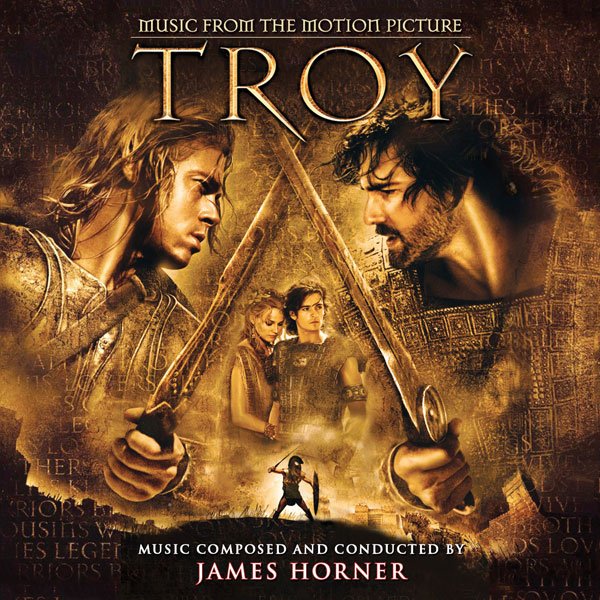
James Horner’s Troy is an intriguing score, that’s for certain. The composer only had about four weeks to create it, as he replaced the prior-hired Gabriel Yared at the last minute, and the overall result – much like Michael Giacchino’s Rogue One – is actually pretty decent considering that incredibly tight timeframe. The orchestral style is grand and operatic, with Gladiator-esque vocals heavily abound – they were the ‘in’ thing at the time – and as usual with Horner albums, there are a number of themes in play too. Intrada’s epic expansion for the score – released back in 2017 – opens with “Armies Approach”, and immediately as the music begins vocals, provided by Tanja Tzarovska, echo tensely through alongside pounding drums. You can really hear a war-like nature in this vocal appearance particularly (which in style would go on to form a significant part of the music for Avatar) and that alongside the imposing drums sets a powerfully aggressive tone right off the bat here. The vocal echoes then gradually fade to a low, serene warble as the track nears its conclusion, with the subsequent “Call For Achilles” introducing the first of the score’s main themes; Achilles’. It’s a usually surgingly grand but also almost tragic motif overall that sticks in your head pretty much instantly, but its debut here, unlike its bolder appearances across the rest of the album, is intriguingly quiet and withdrawn, being more of a moody teaser of things to come.
The ever-present danger motif rears its malevolent head in “Brothers At War”, with wary strings and brass following that then kick up with ferocious intensity in the subsequent “Never Hesitate”. Here we hear Achilles’ theme in its grander form for the first time, with heroic brass fanfare rising and holding it enthusiastically high through much of the ninety second track. Honestly this theme alone makes this score worth a listen, it’s so dramatically grandiose and catchy, and I love the slight touch of melancholy it has to it too. Ethereal vocals then echo warily through “Dawn Alarm” before standout and ten minute action setpiece “The Myrmidons” steps into frame; the danger motif bursts freely on tense brass in its opening seconds alongside rapid strings, those Avatar-esque vocals and the clanging of warning bells, with this anxious ambience establishing itself for a further two minutes before the action then truly begins. From here the danger motif plays loudly and in-your-face on deafening brass, with the pace kicking up on frantic strings until Achilles’ grandly determined theme finally charges heroically into centre stage. The full orchestra rallies behind it as it does so, making for a thunderously powerful moment that then goes on to fuel the action for much of the rest of this utterly stellar track.
A dramatic clashing of drums opens “The Temple Fight”, with the music then simmering down with moody brass hints toward Achilles’ theme playing alongside gently serene vocals. The danger motif then thunders through in an almost victorious manner on brass in the back half of the track, before another theme is introduced in the subsequent “Briseis Taken”; the love theme. It’s a gently rising and falling motif overall that, while not perhaps Horner’s most memorable love theme, still makes its mark in its debut here on pensive strings. The rather downtrodden mood then continues into “There Won’t Be A War” straight afterward on serene synth and woodwinds, with “River Styx And Gates Of Troy” also heading down a similar stylistic road in its opening minute with the addition of wary brass hints toward Achilles’ theme until those dramatically loud Avatar-esque vocals thunder through. A rather eerie ambience seeps into centre stage at the start of “The Greeks Invade”, with a growing sense of fear and apprehension then building on rising drums and strings until a massive thunderous crescendo is reached – and the music then quietens with vocal and string solemnity until its end. Up next is then a mammoth ten minute action setpiece; “A Trojan Victory”.
Percussive rumbles and moody strings set a tense tone at the start of the lengthy track, with despairing synth hammering this mood home alongside loudly in-your-face vocals. The danger motif then enters the fray on aggressive brass to kick off the action proper, with frenetic strings and pounding drums thundering along until another new theme surges triumphantly in at the seven minute mark to claim victory in this orchestral battle; the Troy motif. It’s a grand and proudly brassy piece that well encapsulates the famous city in style, and with its debut fading this setpiece then fades to a gentle end with quietly wailing Gladiator-reminiscent vocals. Pensive echoes toward Achilles’ theme then sound moodily through in the first half of “Achilles Saves Briseis” before the love theme reappears, firstly on gentle woodwinds and strings before swelling romantically with full orchestra. Brassy triumph then opens “Mistaken Identity” with vocals similarly soaring, before a not-quite Achilles theme – without spoilers, it makes sense in the film – strides dramatically in with the full might of the orchestra at its back. The danger motif however then quickly puts this musical victory down, with mournfulvocals occupying the rest of the cue.
Wary vocal and synthy atmosphere occupies the next few tracks, with “Single Combat” then dramatically ushering in the next action segment as continual crashes of war-like drums occupy its first few minutes. The fight doesn’t last long though, as wailing vocals then imposingly take centre stage for the track’s back half to hammer home a mournful end. Synth-based solemnity with Gladiator-esque vocals then occupy “Priam Pleads” as well as “Priam Takes Briseis”, with both also utilising sparing and indeed sorrowful notes from the love theme. After a brief return to the louder, higher-pitched Avatar-styled vocals in “Hector’s Funeral”, ten minute “The Wooden Horse” brings the danger motif back into the fold with brass and string surges building tension for much of its runtime alongside unusually anxious appearances from both the Achilles and love themes, all in preparation for final and Standout Cue “The Sacking Of Troy And End Credits”; this gargantuan thirteen minute track brings all the rising tension to its thunderous conclusion, with danger motif-heavy action beating the Troy theme tragically down, the ever-dramatic Achilles’ theme fighting heroically until orchestral disaster strikes, and the end titles then fading the love and Achilles themes to a quietly pensive conclusion.
Overall, James Horner’s score for Troy is a pretty great effort, especially considering that the composer only had about four weeks to write it in its entirety. Major points go to the orchestral style, with the ever-thunderous brass, strings and drums pretty excellently musically representing the dramatic siege of Troy (see battle cues like “A Trojan Victory” and “Wooden Horse”). The vocal work by Tanja Tzarovska is also pretty stellar, though it does edge on the verge of outstaying its welcome at times – the endlessly wailing Gladiator-esque nature gets a little grating when it goes on for too long, but that’s only a minor issue. Thematically, the score’s two major themes in the surgingly heroic but also rather tragic Achilles motif and the gently wondrous love theme are used well, with the former in particular stealing the show in the thunderous “The Myrmidons” and climactic “The Sacking Of Troy And End Credits”. The classic danger motif also appears frequently – almost to the point of annoyance, honestly – and there’s a proudly brassy motif for Troy itself too that’s quite enjoyable. Altogether these themes paint a rich tapestry for Horner’s Troy, with the aforementioned orchestral style then selling them at spectacular levels through the action music in particular – which as usual with the composer is very well crafted indeed.
All-in, there’s a lot to like with James Horner’s Troy – it’s not perfect, but it’s very entertaining.
Score: 7.5/10
Standout Cues: The Myrmidons/The Sacking Of Troy And End Credits

Follow me on Twitter for the latest soundtrack and review-based news!

 Zanobard Reviews
Leave a comment