
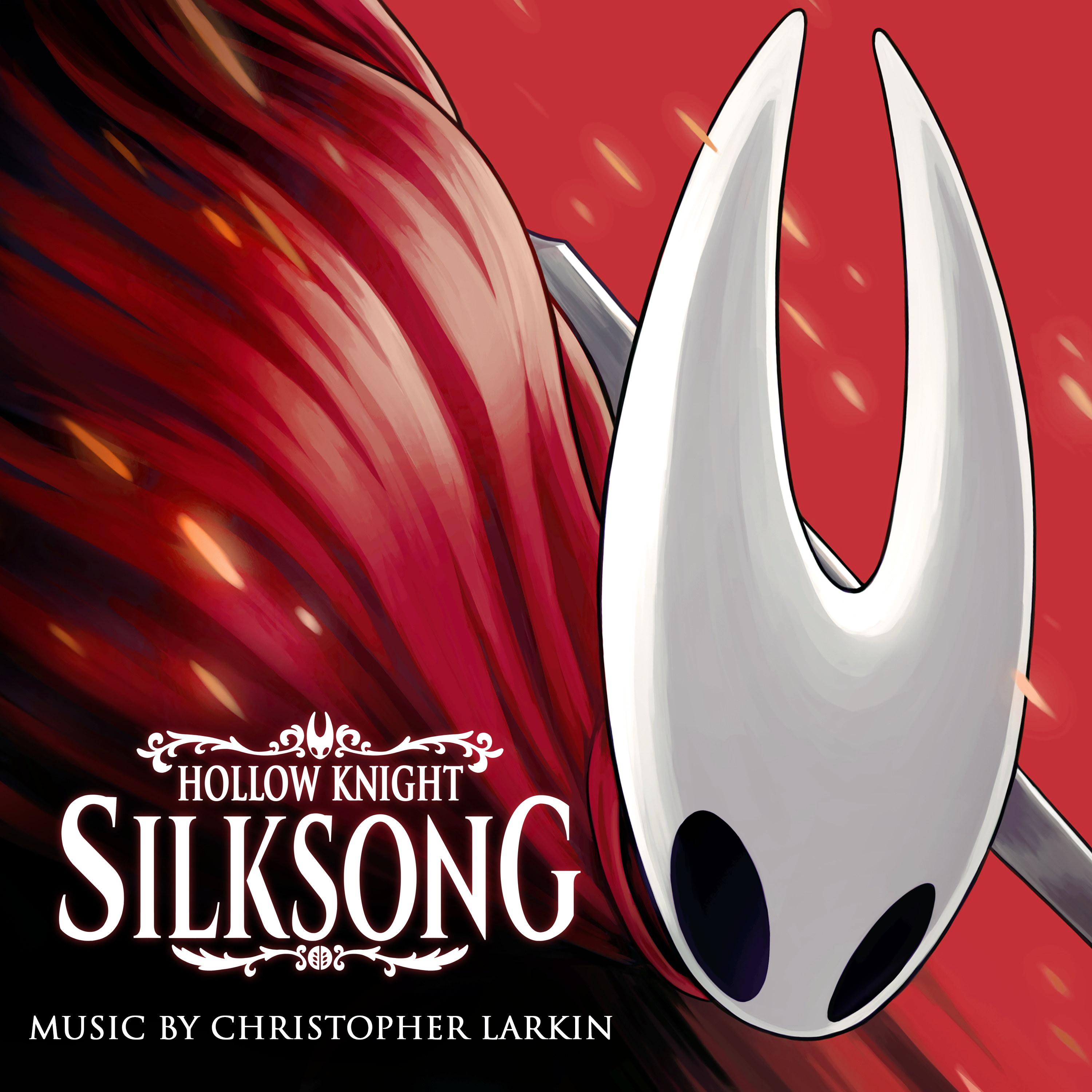
Christopher Larkin’s bolder, more darkly dramatic score for Hollow Knight: Silksong is a tremendous effort from start to finish, with a broader orchestral sound, gorgeous atmosphere and more than a few thunderous bossfighting tracks cementing it as a well worthy sequel soundtrack to the amazing original.
Unlike the much more sombre opening to Larkin’s original Hollow Knight, sequel Silksong by comparison starts rather tensely; frantic strings thunder into frame immediately as first track “Enter Pharloom” begins, with grand bursts of brass and ethereal vocals following swiftly suit. A new and terrifically epic theme is then introduced – which we’ll call the Silksong theme for ease – on the now soaring aforementioned instrumentation before the entire ensemble then builds to a crashing, emphatic crescendo at the two minute mark. All-in, its a starkly grand contrast in tone to that of Hollow Knight‘s much quieter and more melancholic beginning as mentioned, but an enjoyably exciting one nonetheless. And the orchestration too has had an upgrade – everything sounds punchier, and sharper, and there’s clearly a lot more going on here instrumentally than the budget for the original perhaps allowed for. Twinkling percussion then starts off “Moss Grotto” with that and gently echoing woodwinds seeding tranquility throughout alongside serene strings, bringing us back to the gentle atmosphere of the first game’s score in doing so. Frenetic strings-based tension is then briefly centre stage in “Strive” before the melancholic ambience returns in “Bone Bottom” and “The Marrow”, with the former leaning into peaceful piano notes alongside strings, and the latter utilising deep, wary vocals and serenely high-pitched strings.
Our first proper taste of boss battle music comes in “Bell Beast”, with surgingly aggressive strings accompanying bursts of imposing brass throughout the track’s rapid two minute runtime. The Silksong theme returns in pensive form for the short “Repose” and then rather downtroddenly in the regretful “Deep Docks” alongside low-pitched vocals and dramatic percussive clangs. The rather sombre vocal tone set in the aforementioned cue then continues into “Far Fields” alongside serene woodwinds and gentle string plucks playing the Silksong theme, until a sudden burst of vocal colour then overtakes for the rapidly paced “Fourth Chorus”. A deep feeling of sorrow and regret occupies the four minute “Greymoor” though, with lightly twinkling percussion, strings and piano notes elevating the mood a tad for the subsequent and ambient “Bellhart” before impossibly rapid strings thunder into the forefront for the terrifically frantic action piece “Widow”. And before we go any further actually, I do just have to say – I’m genuinely blown away by the quality of the orchestra this album has so far. It sounds absolutely sublime, with the crispness of the strings and the sheer power of the brass and vocals being genuinely incredible – a sizeable step up from the already gorgeous sound of Hollow Knight.
Some utterly sublime strings-based serenity occupies “Hunter’s Trail” before orchestral thunder once again rears its dramatic head for “Cut Through” as imposing, steadfast strings and warily chanting vocals stylistically take charge. Quiet, restrained orchestral atmosphere then settles in for the next few cues, before loudly in-your-face organ notes suddenly burst into the fray for ninety second bossfighting setpiece “Phantom” alongside swirling strings and imposing brass. “Red Maiden” then follows with a similarly rapid pace and tense strings at the forefront, with “Mount Fray” straight afterward however slowing things back down for a much more solemn, ambience-focused ethereal setpiece. Emphatic vocal chanting takes point for the intense “Last Judge”, with brass-led orchestra and dramatic bell clangs also prominent until moody, almost eerie-sounding ambience descends for the three minute “Underworks” with low-pitched strings bathing the music in a particularly hair-raising coldness throughout. This unsettling tone happily then gives way to more upbeat, piano-focused hope in the subsequent “Choral Chambers” as tranquil vocals echo freely abound, with the similarly serene “Songclave” straight after also working in that same stylistic vein.
The music turns almost playful for the cheery “Cogwork Dancers” as light percussion and swirling strings take the forefront, with next chapter “Cogwork Core” striking a similar chord as clock-like percussive elements dance a graceful tune that has an almost child-like innocence to it. A sizeable sense of sorrow however overtakes the score again in “Whispering Vaults” with solemn vocals and strings playing centrally, before some unusually tense piano notes become the focus for frenetic action track “Trobbio”. Echoing chords then strike a tone of nobility in “High Halls”, with this rather royal feeling translating into some pretty emphatic action with blaring trumpets and grandiose vocals in the subsequent “The Choir”. This building orchestral grandeur then culminates in the tremendous “Awakening” with the aforementioned chanting vocals and blasting brass all at a volumetric fever-pitch throughout with the Silksong theme held high, until a deafening crescendo finally closes things out. Some particularly unnerving vocals and what sounds like eerily echoing whispers then literally descend for “Dark Descent”, with some frighteningly tense strings cementing this new tone as the cue builds to its end. Thankfully this instrumental horror doesn’t last though, as the now rather solemn Silksong theme returns on gentle piano for “Reprieve”.
Thunderous action roars into life for “Skarrsinger Karmelita”, with some utterly gorgeous vocal work playing centre stage opposite a background of ever-frantic strings and bursts of emphatic brass. The latter instrument then turns loud, high-pitched and almost heroic for the short “Crust King Khann” alongside pounding percussion before the music returns to echoing vocal-focused tranquility in “Lost Verdania”. With the end of the album now on the horizon, “Red Memory” slows things down for a decidedly sorrowful strings-oriented setpiece, with “Last Dive” afterward playing in much a similar manner at the start with twinklingly serene strings before the full orchestra arrives and builds to a powerful finishing crescendo. The stakes have then never been higher for action cue “Lost Lace”, as the Silksong theme returns and the orchestra reaches incredible levels with frantic strings, surgingly heroic brass and dramatic percussion practically soaring for one of the more standout moments on the score. The Silksong theme then plays quietly and rather morosely for the subsequent and much slower “Sister Of The Void”, before final track “Silksong” ends the album on a particularly serene note as the main theme gives a gentle strings farewell.
Overall, Christopher Larkin’s Hollow Knight: Silksong is a bolder, much more orchestrally broader follow-up to the original, and while I wouldn’t necessarily say it’s better than it, it certainly stands on its own as a truly amazing game score. To start, the new Silksong theme (introduced in opening cue “Enter Pharloom”) is gorgeously serene, and the way it weaves both solemnly in atmosphere and tensely in action across the album more than proves its versatility. The tone of the music overall as well is intriguing, being slightly grander and more full-on than the more melancholic, withdrawn original Hollow Knight sound, and this is backed up by a genuinely wonderful orchestral style too; more budget feels like its been injected into this sequel soundtrack, as the instrumentation sounds fuller and bigger than ever before, and the quality of the recording is simply sublime as well. Standout moments for this include the impeccably grand brass work in action setpiece “Lost Lace” as well as the unendingly frenetic strings in the similarly rapid “Strive”, and the sheer ambience of more gentle pieces like the melancholic “Greymoor” or the twinkling lightness of “Lost Verdania” are fantastic as well. And the choral work too – the gentleness of the vocals in “Deep Docks” contrasted with the sheer ferocity of them in “Awakening” or “The Choir” – there’s some impeccable composing going on here, and that’s saying something.
All-in then, Silksong‘s score is a more than worthy follow-up to Hollow Knight. What an album!
Score: 8/10
Standout Cues: Enter Pharloom/Lost Lace
Buy the soundtrack from Christopher Larkin’s Bandcamp here!

Follow me on Twitter for the latest soundtrack and review-based news!

Leave a Reply